RESEARCH | ENVIRONMENTAL WORK | TEACHING
RESEARCH
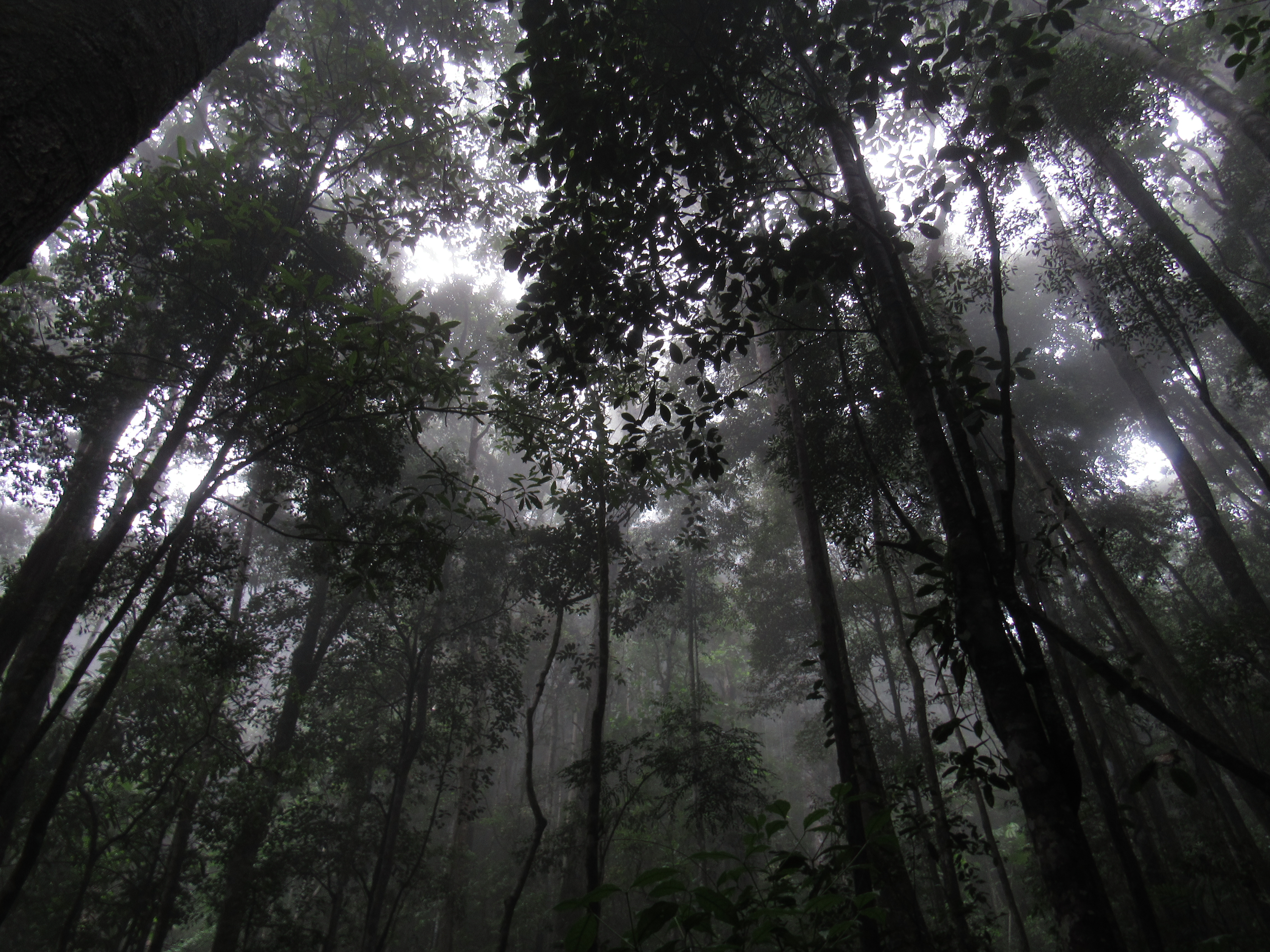
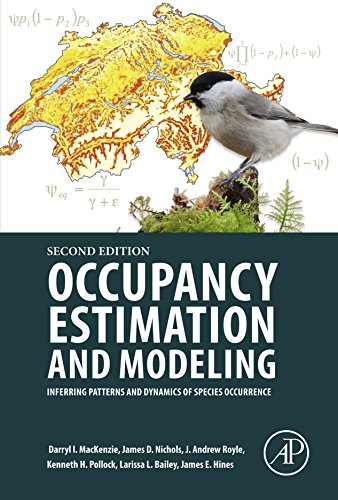
My research focuses on understanding species distribution and their responses to climate change, landscape transformations, and the impacts of invasive species. I combine ecological fieldwork with advanced occupancy modeling to uncover patterns of species detectability and habitat use.
Key Topics I Work On:
- Species Distribution in response to climate and landscape change.
- Impacts of Invasive Species on native ecosystems.
- Biodiversity Monitoring using field surveys and camera traps.
- Habitat Modeling to inform conservation strategies.
Environmental Consulting
With a strong foundation in ecology and environmental management, I bring expertise in science-based solutions to address environmental challenges.
My work includes:
- Management Plans: Developing strategies to mitigate impacts and enhance ecosystem resilience.
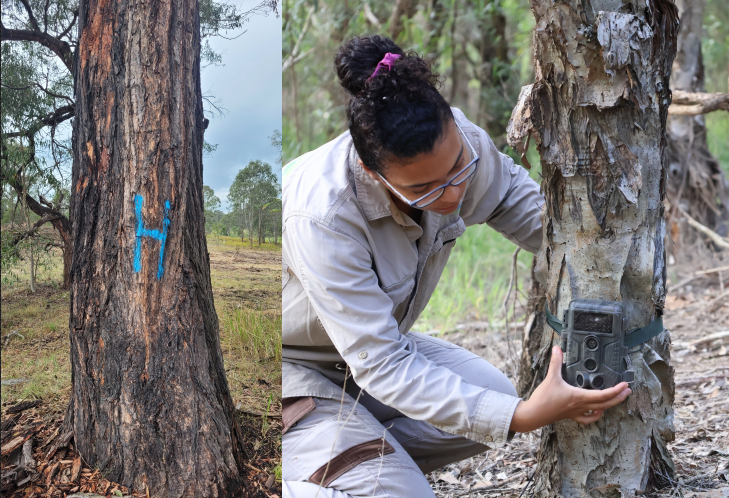
- Fauna Monitoring: Surveys using camera traps, direct observations, and capture-mark-recapture techniques.
- Bush Regeneration: Restoring native vegetation, managing invasive species, and promoting habitat recovery.
- Impact Assessment: Evaluating the effects of land use and construction on ecosystems.
- Fauna Relocation & Rescue: Safely relocating wildlife from impacted areas.
- Habitat Assessments: Identifying habitat trees and critical conservation zones.
TEACHING & Mentorship
I have contributed extensively as a lecturer, instructor, and mentor, delivering training and educational content across a variety of contexts. My work includes teaching university courses, leading practical workshops, and mentoring students at different academic levels. I focus on providing clear and relevant knowledge to both academic and non-academic audiences, ensuring that my teaching aligns with the latest scientific understanding and practical applications in the field of ecology and conservation.
Here are some examples:
Invited Lecturer
- “Bridging Knowledge and Action: Uniting Communities, Scientists, and Decision Makers for the Conservation of Biodiversity”, Taronga Zoo, Sydney, Australia (2023)
- “Living in the Forest: Conservation of the Atlantic Forest”, Macquarie University, Sydney, Australia (2023)
- “Amphibian Communities”, Universidade Federal do Rio de Janeiro, Brazil (2021)
- “Conservation Challenges in Espírito Santo”, Institute of Environment and Water Resources, Brazil (2018)
- “Island Biogeography”, Rio de Janeiro State University, Brazil (2017)
GIS in Ecology Courses
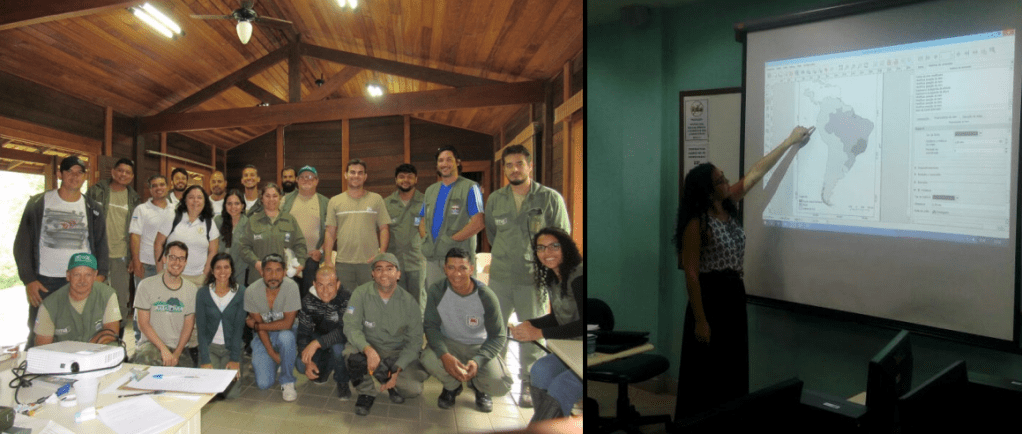
- Delivered practical courses on using GIS tools (QGIS, Google Earth) for ecological research and conservation applications, integrating spatial data analysis and mapping techniques
Mentorship
- Supervised 7 undergraduate students and 1 master’s student in research projects on amphibian and reptile ecology, biodiversity monitoring, and conservation strategies
Instructor & Environmental Educator
- Course: “Installation of RAPELD Infrastructure for Biodiversity Monitoring”, PPBio, Brazil (2015, 40 hours).
- Workshops on amphibians, environmental education for children, and the RAPELD method (2017, Brazil).
- Led the “Fauna Monitoring in Protected Areas” training for IEMA staff, focusing on systematic wildlife monitoring protocols and citizen science initiatives (2017).
Technical Skills
- Statistical Software: Proficient in R, Presence (occupancy modeling), and Systat for data analysis.
- Survey Methods: Skilled in Distance Sampling techniques for estimating animal densities and distributions, as well as using pitfalls traps, camera traps, live traps for mammals, active searches, and auditory surveys.
- Data Management: Advanced use of Excel for data organization and analysis.
- GIS: Experienced with QGIS for spatial data analysis and environmental modeling.
 jribeiroecology.com